
Your Brain Is the Only Startup That Can't Be Replaced. Stop Running It on Empty.
Seven things the neuroscience actually says. Not the wellness influencer version. The version that matters when you're building something and your brain is the only tool you have.

I want to tell you about the day I forgot how to think.
Not metaphorically. Actually forgot. I was staring at a piece of architecture I’d written three days earlier for Cevi, a voice agent pipeline I knew inside out, and I couldn’t parse it.
My own code. Like reading a language I used to speak.
It was 2 AM. I’d slept maybe 18 hours in the last four days. I’d skipped every meal that required standing up.
The last time I’d walked outside, the sun was in a different position than I remembered.
I’m 23. I have 266K followers. I’ve built five companies. I study at IIT Guwahati. I’ve spoken at TEDx twice and judged over a hundred hackathons.
I had a signed BAA with a US psychiatric practice.
And I was sitting there at 2 AM unable to remember how TCP handshakes worked.
That’s when I understood something nobody in the productivity space tells you. You are not a founder who has a brain.
You ARE a brain that is running a founder. And if the hardware degrades, nothing else matters.
Here are the seven things I found that actually work. Not supplements. Not biohacks. Not cold plunges.
The stuff the neuroscience has been saying for decades that nobody reads because it doesn’t have a good affiliate link.
1. Move. Every Single Day.
Not a gym routine. Not a program. Movement.
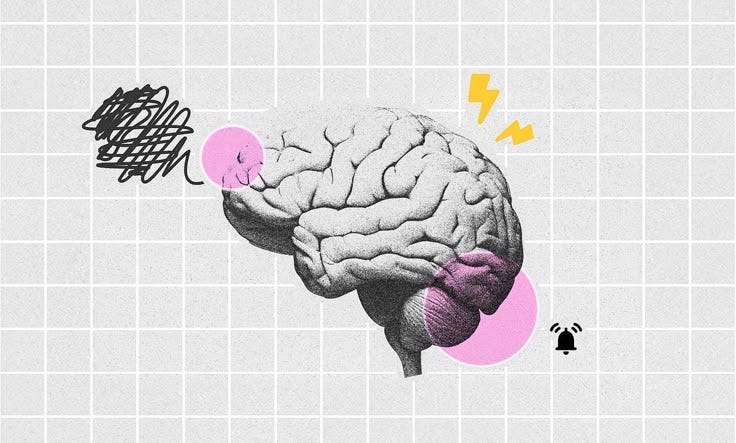
Here’s what happens when you exercise: your brain increases the number of tiny blood vessels delivering oxygen to the prefrontal cortex, the part responsible for decision-making, focus, and the ability to hold complex ideas.
It also triggers BDNF, brain-derived neurotrophic factor, basically fertilizer for new neurons.
Not a metaphor. Actual new neurons. Your brain physically grows.
I’m not going to tell you to run a marathon.
I’m going to tell you that a 20-minute walk, real walking, outside, not on a treadmill while answering Slack, is one of the highest-leverage things you can do for your cognitive output that day.
The founders I respect most all have a move. Not a six-pack. A move. Naval runs. Carmack did karate. Build in a move. Protect it like a production deploy.
2. Sleep Is Not Laziness. It’s Compilation.
I wore four-hour nights as a badge for two years. I thought I was optimizing. I was destroying my error-detection system.
During sleep, your brain runs a literal cleaning cycle, the glymphatic system flushes out metabolic waste that accumulates during waking hours.
The proteins that build up during sleep deprivation are the same ones associated with cognitive decline.
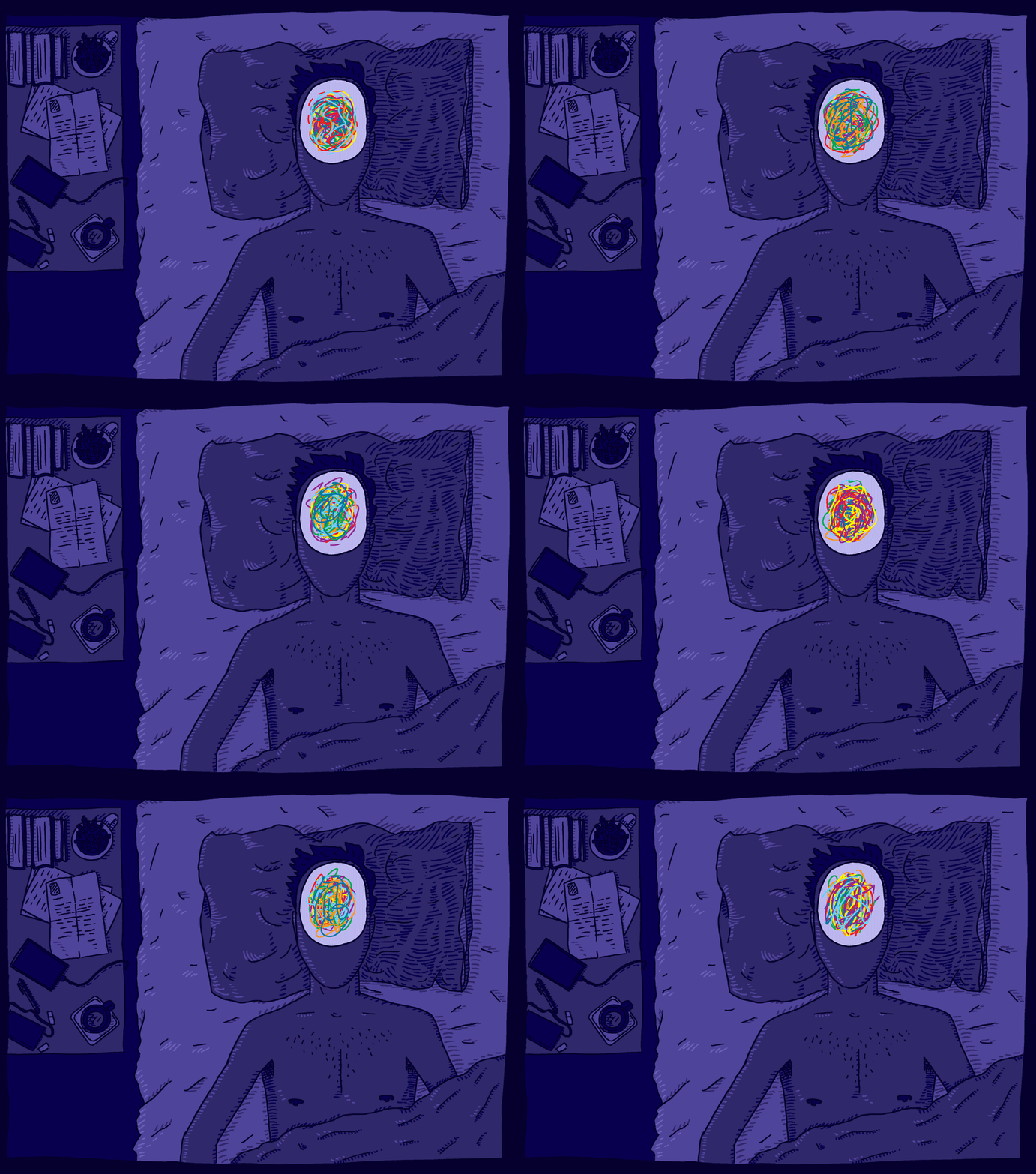
You’re not resting. You’re compiling, garbage collecting, and writing to long-term memory.
The code review that took me three hours at 2 AM after a bad night? Twenty minutes the next morning after seven hours of sleep. Same person. Different brain state. Not even close.
This is the one everyone knows and nobody does. I’m not going to lecture you. You know what your sleep looks like. You know what it costs you.
Fix it or don’t. But don’t pretend it’s not a variable.
3. Challenge Your Brain With Something Uncomfortable
Here’s the one nobody frames correctly.
Mental stimulation isn’t reading in your area of expertise. That’s maintenance. Real stimulation is the discomfort of not knowing, picking up something that makes you feel stupid.
When you learn something genuinely new, your brain builds new synaptic connections. Literally new wiring.
Neuroscientists call this neuroplasticity. What they mean is: your brain is not fixed. It is a living system that grows in response to challenge and atrophies in response to comfort.
I started learning piano at Network School. Not because I had time.
Because twenty minutes of being genuinely bad at something I cared about reset my brain in a way that four hours of deep work didn’t.
Not piano specifically. Anything that makes you feel like a beginner. That feeling of being lost? That’s the sound of new connections forming.
4. Eat Like a Mediterranean Person Who Actually Cares
I’m not going to turn this into a diet article. One thing.
The Mediterranean diet, vegetables, fish, nuts, olive oil, fruit, is the most consistently replicated nutritional finding in cognitive health research.
People who eat this way are measurably less likely to develop cognitive impairment and dementia. Not slightly less likely. Significantly.
You don’t need to overhaul everything. Add one meal a week that looks like this. Then two. The compound effect on your baseline cognitive function over a year is not nothing.
The founder who eats Maggi and cold coffee for three weeks straight and wonders why their thinking feels foggy is running their brain on diesel it wasn’t built for.
5. Your Blood Pressure Is Your Brain’s WiFi Signal
This one surprised me.
High blood pressure in midlife is one of the strongest predictors of cognitive decline in old age. Not heart disease, brain function.
The mechanism is direct: your brain is the most blood-hungry organ in your body. When the delivery system is compromised, the brain gets less of what it needs.
Stress raises blood pressure. Chronic stress, the kind that comes with building a startup, managing a content calendar, and studying for exams simultaneously, keeps it elevated.
And elevated blood pressure, sustained over years, is quietly degrading the infrastructure of your cognition.
The fix isn’t complicated. Exercise brings it down. Sleep brings it down. Managing stress brings it down.
The hard part isn’t knowing this. The hard part is accepting that “pushing through” has a biological price that shows up later.
6. Actual Human Connection. Not Networking.
Strong social ties are associated with lower rates of cognitive decline, lower blood pressure, and longer life expectancy. That’s from the research. What it means in practice is messier.
The Slack messages and Twitter replies don’t count. The LinkedIn DMs don’t count. The collab calls you take because they might be useful don’t count.
I’m talking about the conversations where you’re not performing. Where you’re not the founder or the content creator or the IIT student.
Where you’re just a person talking to another person.
I had one of those at Network School, on a hike, with someone I’d just met. We ended up building a company together.
That’s not the point. The point is that conversation did something for my brain that no amount of deep work had done in weeks.
Not networking. Not community. Human contact. Specifically the kind where you let yourself be known.
7. Protect the Hardware
This one’s the most boring and the most important.
Head injuries, even ones that don’t result in concussions, increase the risk of cognitive impairment.
Alcohol, past a threshold, is a major risk factor for dementia. Smoking does compounding damage to blood flow to the brain.
I know. You know. We all know.
But here’s the angle nobody uses: you are betting your future cognitive function on habits you’re forming right now, in your twenties.
The choices you make at 23 about how you treat your brain are choices your 50-year-old self will live with.
Not a health lecture. A compounding return argument. Your brain is the asset. Protect it like one.
The Turn
Here’s what I actually want to say.
Every person reading this is optimizing something. Their API costs. Their content calendar. Their equity structure. Their LeetCode score.
Nobody’s optimizing the machine running all of it.
You are not a developer who has a brain. You are a brain running a developer. And the same compounding logic you apply to your startup applies here.
Small inputs, consistently, over years, produce outcomes that look like magic from the outside.
40% of dementia cases are preventable through lifestyle changes. Not reducible. Preventable. The Harvard research is not ambiguous about this. The Alzheimer’s Association is not ambiguous about this.
The students leaving CS because of fear are selling at the bottom. And the founders grinding on four hours of sleep and no sunlight are spending the principal on the interest.
Your brain is the only startup that can’t be acqui-hired, can’t be rebuilt from scratch, and can’t be replaced with a better model.
Treat it accordingly.
There’s a concept in neuroscience called cognitive reserve, the brain’s resilience against damage and decline, built up through a lifetime of mental and physical investment.
It’s not genetic. It’s constructed. Deliberately. By the choices you make now.
Two people can have the same amount of physical brain deterioration in old age. One shows symptoms. One doesn’t. The difference is the reserve they built over decades.
You’re building it right now. Every run, every full night of sleep, every hard conversation, every meal that isn’t garbage, that’s all going into the reserve.
You don’t feel it compounding. That’s how compounding works.
But it is.
- Manav
P.S. If this hit you somewhere real, forward it to one person who’s been grinding on empty and calling it work ethic. And if you’re new here, subscribe to Tensor Protocol. No schedule. No filler. Just the signal I wish someone had handed me.
P.P.S. I’m not a doctor. I’m a 23-year-old who scared himself into reading the research. Everything here is sourced, the resources are below. Read the primary sources before you change anything significant.
Resources and Further Reading:
Harvard Health: 12 Ways to Keep Your Brain Young, the foundational read. Every point in this article traces back here. Primary source, not a listicle.
Alzheimer’s Association: 10 Healthy Habits for Your Brain, the most research-backed practical guide available. The cognitive decline prevention statistics are sourced from here.